
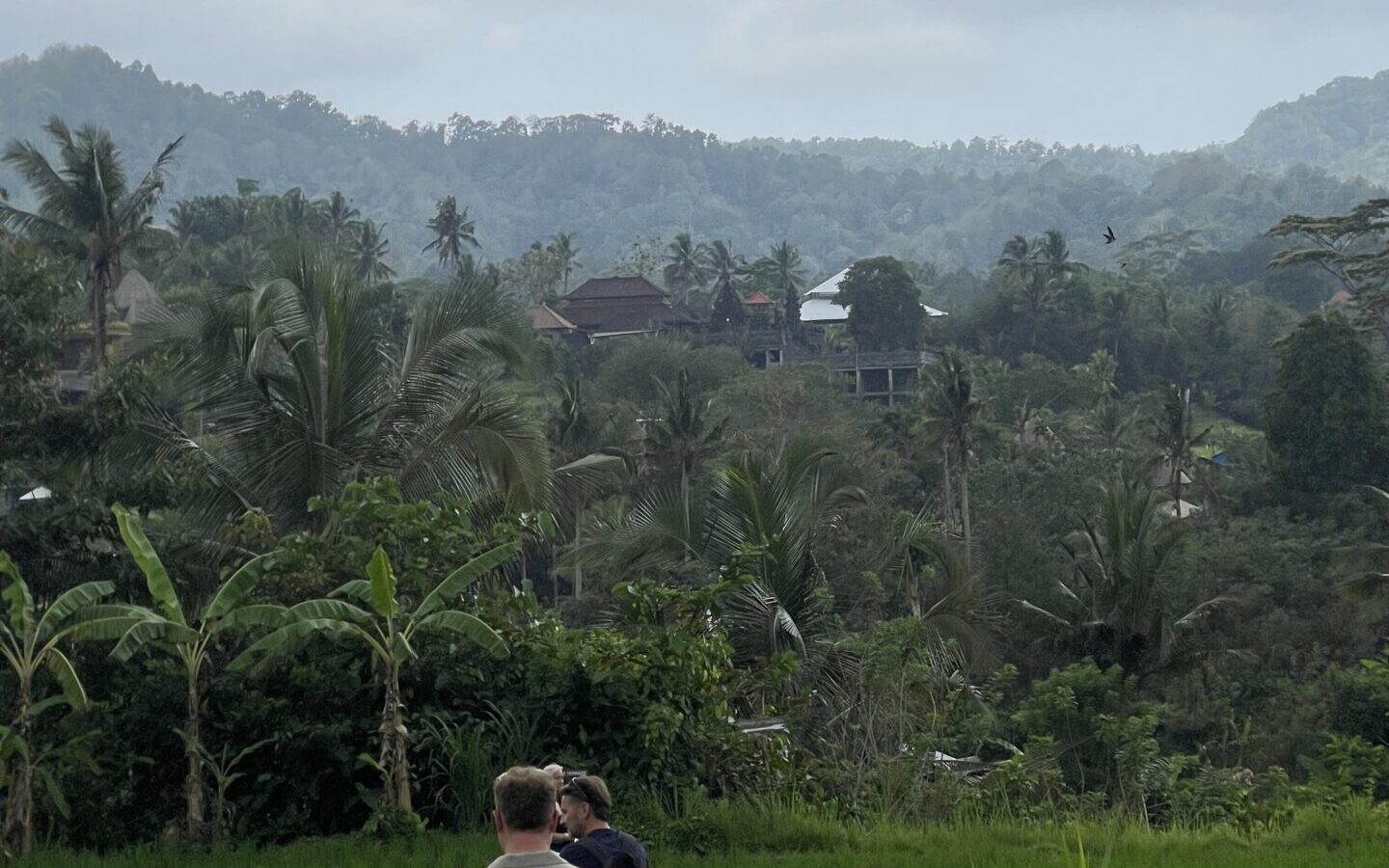
Amed sits on Bali’s far eastern coastline, a string of small fishing villages that has grown into a low-key hub for divers and travelers who want a slower pace than the island’s south. Unlike the beach clubs and traffic of Kuta or Canggu, Amed still feels like a working coastal community: wooden outrigger boats called jukung line the black volcanic sand beaches, and many families continue a centuries-old tradition of harvesting sea salt by hand.
The pace here is unhurried, the coastline is quieter, and the backdrop is dominated by the silhouette of Mount Agung, Bali’s highest and most sacred volcano. For visitors who have already spent a few days in the busier parts of the island, Amed offers a genuine change of scenery rather than more of the same.
What Amed Is Known For
Amed is best known for two things: its sunrises and its underwater scenery. Because the coast faces east, mornings here bring some of the most photographed sunrises in Bali, with fishing boats silhouetted against the water and Agung often catching the first light. Many visitors base themselves in Amed specifically to wake early and watch the sky change color over a calm, glassy sea, a very different rhythm from the sunset-focused beach clubs further south. The other defining feature is the coastline itself.
Black volcanic sand slopes gently into clear water in several spots, and the reefs sitting just offshore are close enough to reach by wading in rather than requiring a long boat ride. Traditional salt farming is also still visible along the shore, particularly in the early morning when farmers rake seawater into shallow trays to evaporate under the sun. It is a slower, more textured version of coastal Bali than most first-time visitors expect, and it rewards travelers who are happy to trade nightlife for scenery.
Diving, Snorkeling and the Nearby Wreck
Amed’s reputation among divers rests largely on what lies just offshore and slightly up the coast. The reef directly in front of several Amed beaches offers accessible snorkeling with healthy coral and reasonable visibility for shore entry, which makes it approachable even for people who are not confident swimmers. A short drive north, the village of Tulamben is home to the USAT Liberty, a World War II-era cargo ship that sank close to shore and now rests as one of the most accessible wreck dives in the world.
Because the wreck sits only a short swim from the beach and at a range of depths, it draws everyone from first-time divers doing an introductory dive to experienced divers logging repeat visits. Many people base themselves in Amed and treat Tulamben as a short excursion, since the two areas share the same stretch of coastline and a similar unhurried character. If diving or snorkeling is the main reason for the trip, it is worth allowing at least two nights in the area rather than trying to squeeze it into a single afternoon detour.
Getting to Amed: Why the Distance Matters
The trade-off for Amed’s tranquility is distance. Depending on where a trip starts, the drive from the southern tourist hubs or from Ubud can take several hours each way, since the route follows winding coastal and hill roads rather than a direct highway. This is very different from a short hop to somewhere like Uluwatu or Tanah Lot, and it is the main reason Amed rewards planning rather than a spontaneous day trip.
A private driver is particularly useful for this stretch of the island: the roads pass through rice terraces, small towns, and temple complexes that are worth a stop, and a driver who knows the route can pace the journey so it does not feel like a single long slog. Booking a car charter for the day means the vehicle and driver are available for the full journey out, time in the area, and the return leg, rather than trying to arrange separate transport at each end.
Travelers arriving from the airport sometimes combine an airport transfer with an onward multi-day itinerary that includes Amed, since the east coast is easiest to justify as part of a longer loop rather than a rushed side trip.
Nearby Cultural Stops Along the Way
The drive to and from Amed also passes close to some of East Bali’s better-known cultural sites, which makes the journey itself part of the appeal rather than just a means to an end. Water palace gardens with ornamental pools sit a short detour off the main route, and the hillside approach to one of Bali’s directional temples offers sweeping views back toward Agung on a clear day.
Travelers who build in time for one or two stops along the way tend to find the long drive far more rewarding than treating it as dead time between the south and the coast. A private driver familiar with the route can suggest a stop or two based on the weather and time of day, rather than sticking rigidly to a fixed plan.
Who Amed Suits
Amed is not for everyone, and that is largely the point. It suits divers and snorkelers who want easy access to good reefs and a genuinely famous wreck dive without the crowds of more developed dive destinations. It suits travelers who have already experienced Bali’s busier beach towns and are specifically looking for something quieter: no strip of bars, no beach clubs, just coastline, fishing boats, and volcano views. It is a good fit for slower-paced trips, longer stays, and people who value a strong sunrise over a lively sunset scene.
It is a less natural fit for travelers with only a short window in Bali who want to maximize sightseeing stops, simply because the distance eats into the day. For those who do make the trip, arranging it with a private driver rather than public transport or a rental car keeps the long stretches comfortable and leaves room to stop along the way. For help planning the route and timing, get in touch to arrange a driver for the day.